From the outside, a pump station may appear as a basic structure for utilities, but two projects are the same. In one instance, wastewater may have to be pumped uphill to accommodate a housing project. Another location may require to be able to hold pressure on commercial property that is in a state of change. Certain projects are municipal while others are industrial or private, and each comes with its own design requirements as well as regulations and long-term operating expectations.
This is the reason why pumping systems are not a subject to the assumption that one size fits all. The station’s success is based on the specifics of the location and its flow conditions. It is also based on what the owner’s requirements are and the potential future requirements of the property. Romtec Utilities takes this perspective and develops each of its pumping systems to address the specific needs of the project, rather than forcing it to be part of a standard system.
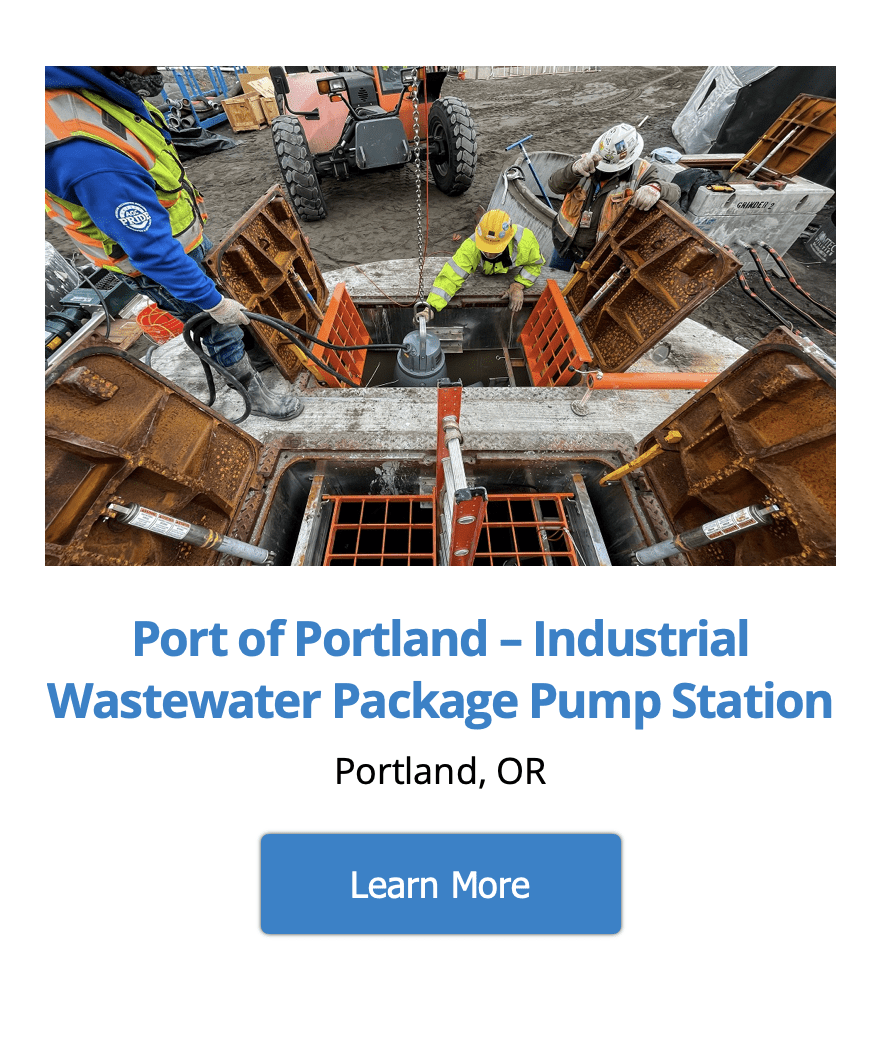
A great pumping design requires more than simply moving water
Pumping stations are constructed to move waste or water in areas where gravity is not able to. But constructing a system that does what it is supposed to do is not enough. It must also be efficient, reliable and easy to maintain and completely compliant with the requirements of state and local authorities. It has to work not just on paper but also in the daily real-world of the people who are responsible for operating it.
It encompasses everything, starting with the structural design and the size of the wells, electrical equipment, controls communication systems, and access for workers. Even if one of these components isn’t well-planned they could result in difficulties in operation for many years. This is the reason why owners and engineers place great importance in working with top lift station engineers. If you’re trying to find a balance between budget, site constraints, hydraulic performance and long-term longevity at the same expertise is crucial.
Romtec Utilities brings these areas all under one umbrella. Rather than requiring the customer to coordinate with multiple vendors, the company takes care of all structural, electrical mechanical, as well as communication parts in a seamless system. A single source approach is often able to make it easier to manage time and confusion in the purchasing process as well as speed up installation.
When properly designed when designed properly, packages pumping systems can reduce complexity.
Package pumping systems are able to simplify infrastructure projects by combining essential components to create a seamless solution. The true value lies in how the system has been developed. Incompatible systems could lead to performance issues, excessively sized equipment and unnecessary maintenance costs, or long-term problems.
Romtec Utilities approaches each package as a complete, engineered solution instead of a typical catalog item. This means deciding on the appropriate pumps, controls, valves as well as enclosure options based on actual demands of the location. It also means thinking about how the system will be monitored, how users will be able to access it and how it will be maintained efficiently in the long run. Coordinating the planning phase will prevent bigger issues in the infrastructure of utilities.
Booster Pump Stations are a solution to a different kind of issue in infrastructure
In not every project is wastewater involved. In many construction projects, maintaining the water pressure is just as important as removing the sewage. This is where booster pump stations play a critical role. These systems keep water flowing efficiently in a distribution system even when there are pressure issues caused by changes in elevation, lengthy pipe runs or a high demand.
The structure of booster systems are generally different from other types of systems. They may require control buildings, variable frequency drives, SCADA integration and telemetry. Romtec Utilities designs these stations with the same customized mindset employed for wastewater systems to ensure that the final outcome is both functionally and operationally.
Better planning leads to higher long-term performance
One of the most useful parts of the Romtec Utilities process is the initial design support it offers customers. Engineering and design assistance in the beginning enable project teams to know the potential dimensions, configuration and costs of a project before going too much into procurement or construction. Developers, consultants, and public agencies will benefit from this.
Planning is the key to success whether it’s an wastewater lift station, a pumping system, or one of the many custom booster pump stations. A good design partner does more than supply equipment. A reliable design partner will help create a solution that works for the site and is in line with the goals of the owner.
The best systems in utility operate are the ones that the public doesn’t even observe because they are simply working. This kind of dependability does not happen by chance. It’s the result of careful engineering, strong coordination and the knowledge to design each system around the exact demands of the task.